
The San’s new hybrid biplane neurosurgery theatre supports faster diagnosis, precise treatment and integrated care.
Recovery after a serious neurological or neurosurgical condition is shaped by many factors. The quality of diagnosis, the speed of decision-making, the precision of treatment, the coordination between teams and the timing of rehabilitation can all influence a patient’s pathway.
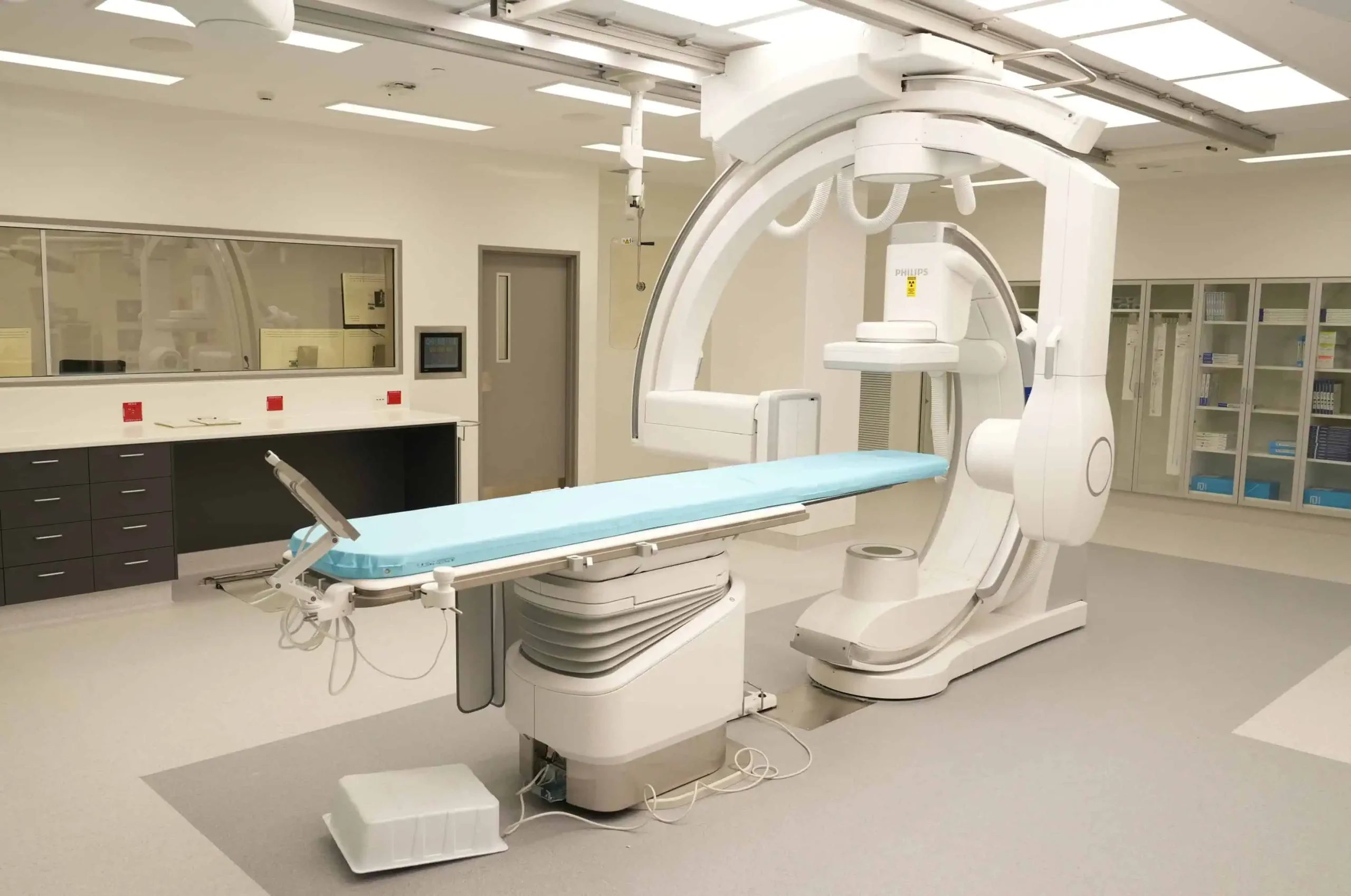
Sydney Adventist Hospital, the San, has launched a new hybrid interventional neuroradiology theatre described as Australia’s most advanced neurosurgery theatre. The facility combines advanced biplane imaging with open neurosurgery capability in a single operating room, allowing patients to be diagnosed and treated in the same space.
While the theatre is primarily focused on complex neurological conditions such as stroke, aneurysm and other life-threatening neurovascular problems, the principles behind it are highly relevant to recovery: reduce delay, improve precision and connect each stage of care more effectively.
At O Spine Physiotherapy, accurate diagnosis is central to patient care. The O Spine model emphasises comprehensive assessment, tailored treatment and clear pathways for imaging, investigation or specialist review where needed.
The same principle applies in acute neurological care. When a patient presents with a serious brain or vascular condition, the treating team must quickly understand what is happening, where it is happening and what treatment options are appropriate.
Biplane imaging supports this process by giving clinicians detailed real-time views of blood vessels and surrounding structures. A neurointerventional biplane angiography system uses two X-ray sources and detectors to capture detailed images of vessels in the brain and spinal cord, helping guide diagnosis and treatment for conditions such as aneurysm and stroke.
In complex neurological care, delays can occur when patients need to move between diagnostic imaging, interventional treatment and operating theatre environments. The San’s new hybrid theatre helps reduce this issue by enabling diagnosis and treatment in the same room.
For suitable patients, this may mean a more streamlined journey from assessment to treatment. It may also reduce the disruption and risk associated with urgent transfers between spaces, particularly when the patient’s condition is time-critical.
From a recovery perspective, this matters because what happens in the earliest stages of care often shapes what follows. The quicker a treating team can identify the problem, make an informed plan and provide appropriate treatment, the sooner the patient’s longer-term care and rehabilitation needs can be considered.
Precision in neurosurgical and neurovascular care is not only about the procedure itself. It can also influence what happens afterwards.
Detailed imaging can help clinicians better understand the patient’s anatomy and guide procedures with more confidence. Biplane imaging can provide real-time information about blood vessels, soft tissue and blood flow, and can assist in identifying blockages, aneurysms and other vascular problems.
For patients, the potential benefit is a more informed and targeted treatment pathway. For the wider care team, including rehabilitation providers, clearer diagnosis and treatment information can help shape appropriate goals, precautions and progression after discharge.
After a major neurological event or neurosurgical procedure, recovery is rarely a single step. It is usually a staged process that may involve medical care, nursing care, physiotherapy, occupational therapy, speech pathology, psychology, family support and ongoing review.
Australian stroke care standards state that a patient’s rehabilitation needs and goals should be assessed by trained staff within 24–48 hours of admission to a stroke unit, and that rehabilitation should start as soon as possible depending on the patient’s clinical condition and preferences.
Those same standards also identify physiotherapy as part of early rehabilitation monitoring, including the proportion of acute stroke patients seen by a physiotherapist within 48 hours of presentation.
For O Spine patients, the focus is on spinal health, post-operative rehabilitation and tailored physiotherapy care. O Spine offers a specialised model that may include manual therapy, exercise therapy, hydrotherapy, group exercise classes and clear pathways for imaging or specialist assessment where appropriate.
O Spine Physiotherapy is built around collaboration between physiotherapists, allied health professionals, referring doctors and specialist teams. The O Spine website describes its care model as one that aims to restore, build and maintain spine health through a multidisciplinary approach.
This is why the launch of the San’s biplane theatre is important beyond the operating room. Advanced technology can support the acute phase of care, but recovery also depends on the steps that follow: early planning, clear communication, appropriate rehabilitation and realistic goals.
For patients recovering from spinal surgery or neurological conditions that affect movement, strength, balance or confidence, physiotherapy can play an important role in helping them regain function and return to everyday activities. Treatment must always be matched to the individual patient, their diagnosis, their surgeon’s recommendations and their stage of recovery.
The San’s new biplane theatre reflects a broader shift in health care: bringing the right expertise, technology and team members together at the right time.
That philosophy aligns closely with O Spine Physiotherapy’s approach. O Spine was inspired by the vision of Professor Brian Owler, whose work spans neurosurgery, spinal surgery and the diagnosis and management of spinal conditions.
For patients, the goal is not simply to access advanced technology. The goal is to move through care with greater clarity, confidence and coordination — from diagnosis and treatment through to rehabilitation and long-term recovery.
Stroke symptoms should always be treated as an emergency. Healthdirect Australia advises calling triple zero immediately if someone has signs such as facial drooping, arm weakness or speech difficulty.
For non-emergency spinal pain, post-operative rehabilitation or ongoing spinal health concerns, a structured physiotherapy assessment can help determine the most appropriate next steps.
General information disclaimer: This article is general information only and does not replace medical advice. Patients recovering from surgery or a neurological condition should follow the advice of their treating medical team.